*THIS SECTION IS FOR NON-VICTRON EQUIPMENT USERS — A SECTION FOR VICTRON USERS IS BEING WORKED ON**
The Power Watchdog is detecting an anomaly within the neutral wire behind it; meaning that a call to the park is not necessary. There are virtually countless variables, but usually find that it is on the section of wiring between the PWD (watchdog) and the main panel inside your RV. The pedestal is not a part of the problem for this fault. The issue is 99.99% always at a connection point. The age of your RV does NOT play a roll in having wiring anomalies present inside. Today’s RVs are made incredibly quickly and quality control has been an apparent issue since ‘COVID.’ Connections may be ‘tightened’ but not to ‘torque specs’ which would then prematurely loosen after hi-pot testing and minimal usage and transport. The quality control could be ‘bare minimum’ to make it past factory inspection, but not for longevity. The PWD is ‘seeing’ wattage going into the RV, but not enough (or any) coming back out via the neutral (white wire). This is a dangerous scenario. Without a neutral (white wire) to divide your 50-amp service, one of the first things that will happen is one ‘leg’ (red or black wire) will charge up voltage as high as 240 volts (100% of the total service voltage) and the other leg drop down to 0. It’s not only destroying your 120-volt electronics/appliances, it is also a fire risk.
FINDING A CORRELATION OF WHEN THE FAULT OCCURS MAY HELP IN PIN-POINTING WHERE THE PROBLEM IS
The MOST common causes:
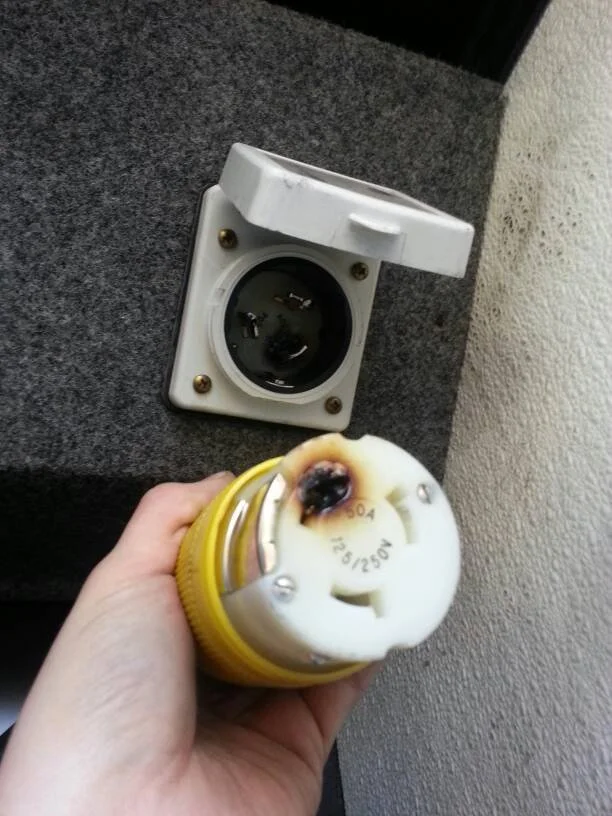
loose inlet (twist lock is NOT twisted down all the way) - faults almost immediate after RV hookup, and occurs at very short intervals.
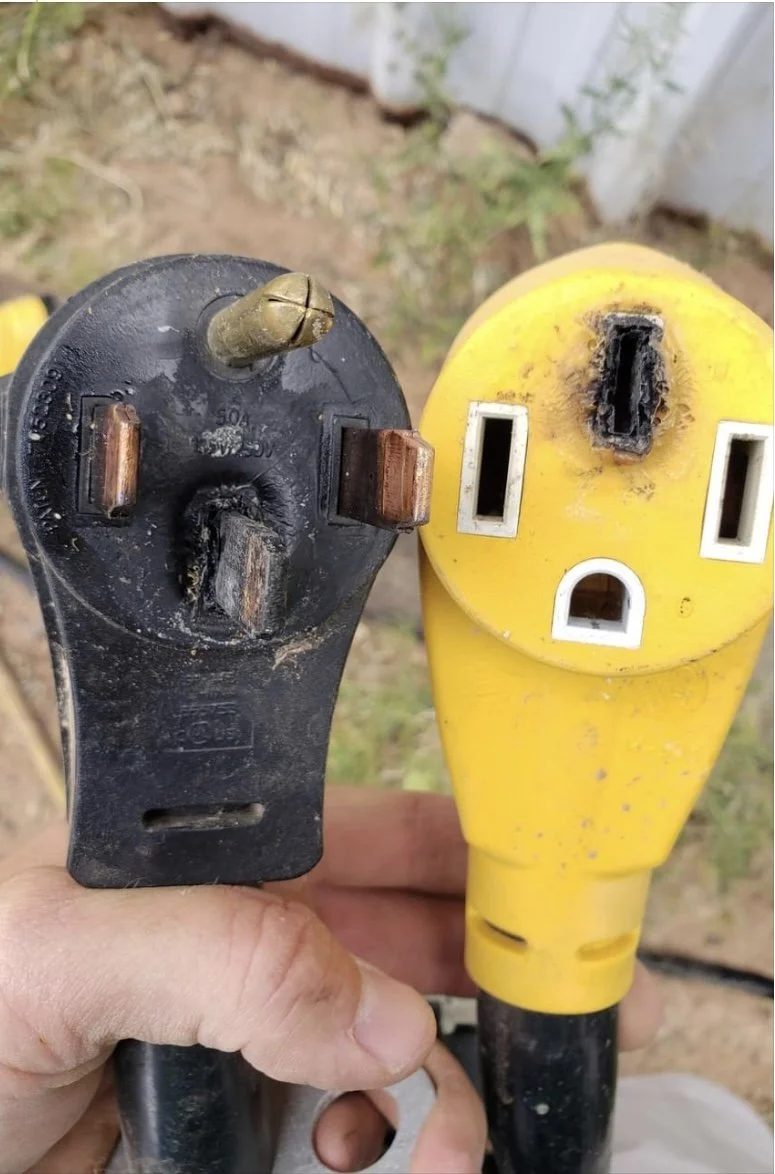
arced inlet - the neutral wire sparked and burned the connection point because it was loose and a lot of electrical current ran through it (high load + resistance).
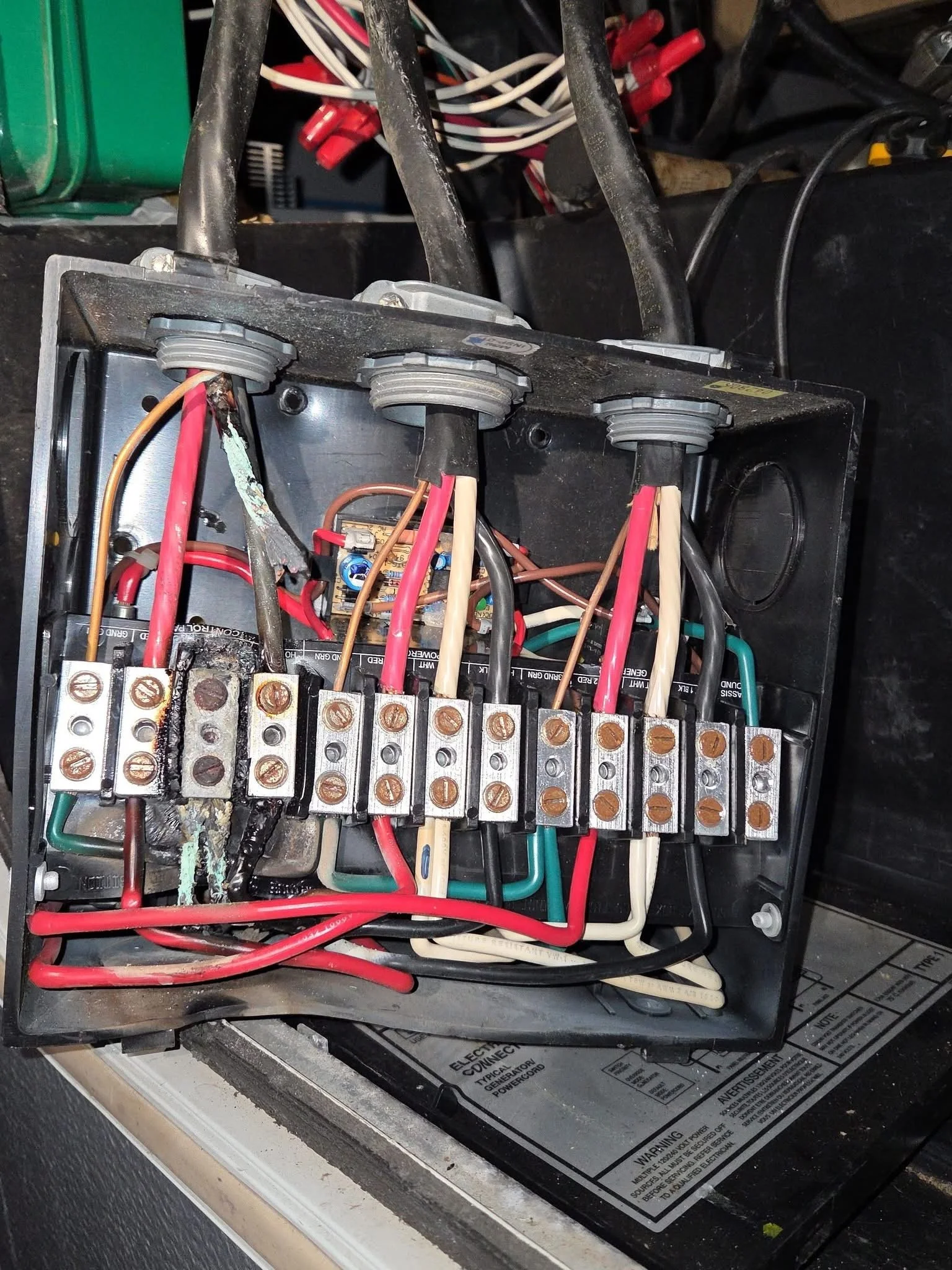
automatic transfer switch contacts (this includes newer ones less than 4 years old and is a common quality control issue) - faults when switching between different power sources and almost constant while on shore power.
factory AND aftermarket air conditioner installations with terminals/wing nuts not torqued down enough, or a good surface contact is NOT being made at the terminal joint.
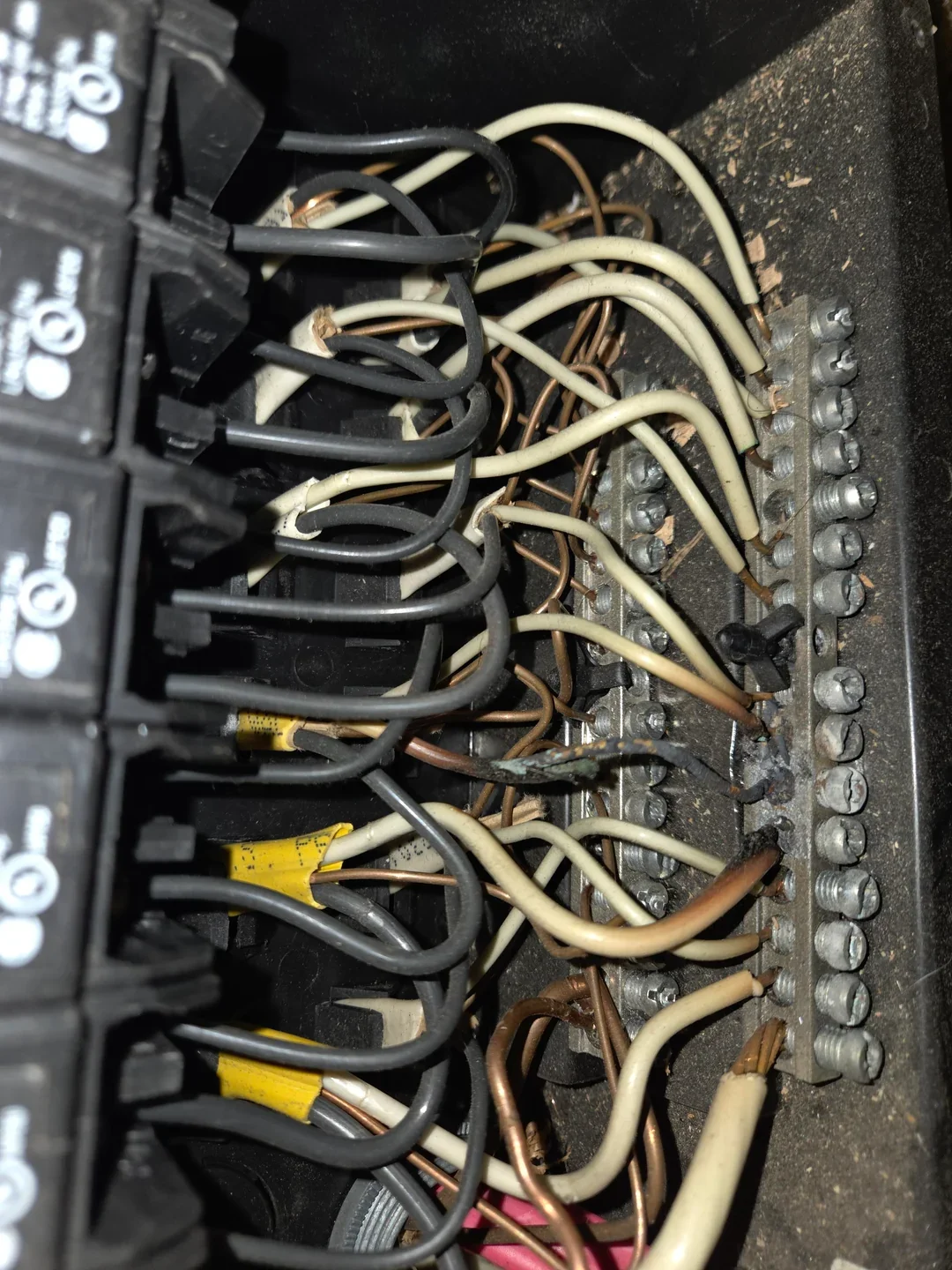
loose bus bar connection/at the circuit panel (inside the RV)
improper inverter installations; factory/aftermarket (it DOES happen at the factory too)
improper ground-to-neutral bonding. (should never be bonded inside of the RV while connected to shore power, but a bond ON the generator is crucial)
melted plug see ‘my plug melted’ on our FAQ page: www.powerwatchdog.com/faq
bad ‘power thirsty’ appliance IE air conditioner/refrigerator/coffee pot/water heater/blow dryer (look for the correlations of when the fault occurs when these power up)
improper hardwire PWD installation (behind the transfer switch). Always wire a hardwired Watchdog BEFORE the transfer switch.
arcing within the transfer switch while mechanics are in motion (caused by failing switching mechanism).
There are a few things you can do to put off having to call a technician, and if you call us, we are going to go over this same information over the phone to get you started. UNPLUG THE RV FROM SHORE POWER:
STARTING with where your RV power cord plugs into the PWD (watchdog), make sure the female end receptacle shows no signs of heat or withering on the rubber shielding.
If your RV has an inlet, unplug the twist lock and inspect the detached plug and then the fixed portion (mounted to the RV) and then make sure there is no discoloration on the contacts; no withering or melting on the insulation (plastic or rubber), then plug back in and make sure it is twisted ALL the way down and locked in.
If your RV does not have an inlet mounted on the outside and has a cord reel instead, follow the cable to where it is then wired into next. This is often a transfer switch.
AGAIN, CONFIRM YOU ARE UNPLUGGED FROM SHORE POWER, and remove the cover to the automatic transfer switch.
Inspect the wires, the contactors, the terminals for ANY signs of corrosion, discoloration of the metals, heat, or debris. Also use your nose for that ‘electrical smell’ or burned rubber/plastic smell.. it smells BAD.
Check the breaker panel for the same signs of discoloration of the metal, withering of any shielding/plastic/rubber and smells.
APPLIANCE/OUTLET TEST:
Ensure everything is ‘back together’ and safe before restoring power into your RV, and turn ALL breakers inside OFF. Connect to your Power Watchdog and open up the monitor screen. (This is when the Power Watchdog becomes a diagnostic tool)
Starting with the main breakers, flip them to ON. The wattage should read next to 0 because none of the sub breakers should be on, unless the inverter is powered off the main.
Flip the top sub breaker on the left-hand side to ON, and wait 1 minute. Then turn the top sub breaker on the right-hand side to ON, and wait 1 minute…
Repeat that step with the next row of sub breakers and turn them ON in sequence at first left to right, and top to bottom row by row. Wait 1 minute before flipping the next breaker to give the electronics a chance to start up. You should be reviewing the wattage building up on the Watchdog app at this time.
If the E8 triggers at the last breaker, the culprit is likely on that circuit! (the correlation)
After this point, you may need to hire a certified technician versed in RV electrical proficiency. A normal residential electrician may be proficient at looking for damaged wires, but an RV electrician understands the differences between RV and residential wiring. (There is a difference; IE a residential electrician sees an RV electrical hookup and assumes it is the same as a house utility 240-volt hookup. This is not the same, and causes extraordinary damage to RVs, and unfortunately happens too often). An RV technician sees neutral wire anomalies often and understands the why, and the where to look and diagnose these issues. If you are not comfortable climbing onto the roof of your RV to check the wiring hookup for the air conditioners, a trip to the service bay or hiring a technician to come to you may be in store (if you are getting E8 when a certain AC turns on).
In the 0.01% time we’ve seen a non-connection point neutral anomaly detected by a Power Watchdog, it was discovered that a nail was ran through the neutral wire behind the bus bar that had degraded and was causing a continuity issue in the middle of the circuit.
PICTURED BELOW:
LEFT - Customer submission of automatic transfer switch contactor failure
Second from left - burned neutral at the RV cord connection off rvelectricity.com
Third - Neutral wiring failures at the bus bar
RIGHT - Neutral wire failure at the inlet